When Sporting Mascots Became Part of the Show
Trace when sporting mascots moved from club emblems to live performers, and learn which dated records reveal their arrival in a matchday crowd.
The common mistake is to date a sporting mascot from the first appearance of an animal on a badge. That can place the story decades before anyone wore a costume or entertained spectators. To find when mascots became part of the show, separate the emblem from the live performer and look for dated evidence of each.
Sporting mascot dates
There is no single date for the arrival of live mascots across sport. The change happened at different times for different clubs, and the surviving evidence varies. A club crest may establish when an animal became a symbol; it cannot, by itself, tell you when a costumed character first appeared at a match.
Use specific dates only when a source supports them. An old programme can record a scheduled appearance, while a dated photograph may show a character at the ground. The strongest account identifies what the record shows, rather than turning one club’s milestone into a universal origin.
Emblems and performers
Here, a mascot means a character or figure associated with a team. An emblem is the printed or displayed image, such as an animal on a badge or pennant. A live mascot is a performer in costume, or a living animal appearing in person. These roles can overlap, but they are not interchangeable.
A bird on a shirt is an emblem. A person wearing a bird costume and greeting supporters is a live mascot. A living animal brought to a match may also be called a mascot, but it is not a costumed performer. Naming the role precisely makes the history easier to follow.
Evidence of first appearances
To establish when a live character entered a club’s matchday, compare dated sources rather than relying on a later origin story alone. Useful records include:
- Check the date and caption on a match photograph; if they identify a costumed character at the ground, treat that as evidence of an appearance, otherwise seek a dated programme or report.
- Check a match programme for a named mascot or scheduled appearance; if it describes a live visit, record that date, otherwise keep it as evidence of the emblem or character’s name only.
- Check local newspaper reports for words such as “costume”, “mascot” or “entertained”; if the report clearly describes a person appearing in character, cite that event, otherwise avoid inferring a performance from a mention of a club symbol.
- Check club histories and archives for the source behind a stated debut; if they point to a dated record, use the date with that context, otherwise describe the date as uncertain.
- Check team photographs and merchandise for the image’s form; if it is artwork, classify it as an emblem, otherwise look for a separate source confirming an in-person appearance.
- Check whether records describe a living animal or a costumed performer; if they identify one, use that specific term, otherwise say the source leaves the mascot’s form unclear.
One record can establish that an appearance happened, but not necessarily that it was the first. A later photograph might be the earliest one that survives, rather than the character’s debut. Say “earliest documented appearance” unless the evidence supports a stronger claim.
From image to character
A costume makes a team symbol visible in three dimensions, but performance is what brings the live mascot into the event. A wave, comic gesture or visit to the family area gives spectators something to respond to. A photograph of a costumed figure proves presence; a programme note or account of crowd interaction can also show how organisers used the character.
The distinction is like a shop-window figure and the person who steps outside to greet passers-by. The figure attracts attention; the greeting creates an exchange. In a venue, the performer’s gestures and route through the crowd turn an image into part of the occasion.
How to date a debut?
What counts as a mascot debut?
For a live mascot, the debut is an in-person appearance as a team character, not the first appearance of its image on a badge. If only later records survive, describe the earliest documented appearance rather than claiming it was the debut.
Can a club have two first dates?
Yes: the emblem, the named character and the costumed performer may each have different documented beginnings. State which one a date refers to, so a badge’s history is not mistaken for a performer’s.
What if the records disagree?
Set out what each source says and favour dated contemporary material when it clearly identifies the event. If the evidence remains uncertain, give the competing accounts without presenting either as settled fact.
Does a living animal count as a live mascot?
It can be called a live mascot, but it is not a costumed performer. Describe it as an animal mascot when that is what the records show, and keep its appearances distinct from the history of a character in costume.
A worked club history
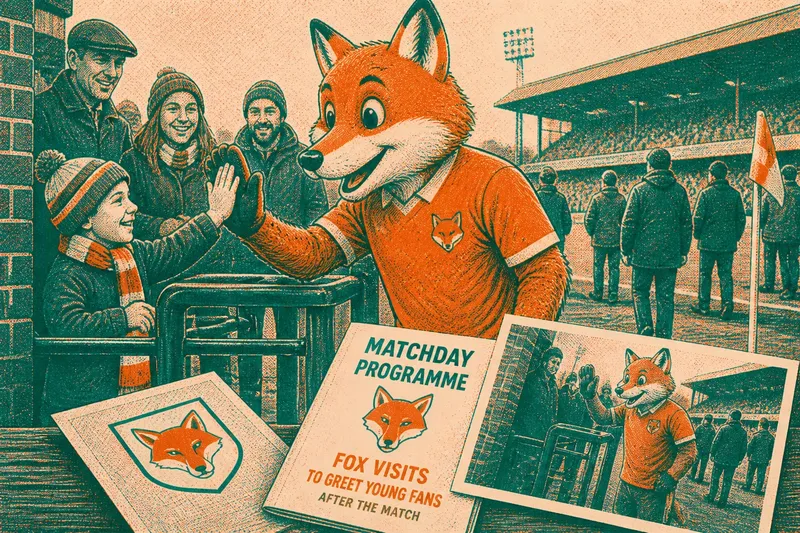
Say you are tracing an invented club whose programme shows a fox emblem in an undated design, while a dated match photograph from a later season shows a person in a fox costume beside the turnstiles. A programme from that same season advertises the fox’s visit to greet children. First, record the undated design only as evidence of the emblem; it cannot set a calendar date. Next, use the photograph and programme together to document a live appearance and its purpose. The resulting account can say that the fox was an emblem before the documented season and was a costumed matchday character by that season, while leaving the exact debut unresolved.
Keep each date clear
When researching a sporting mascot, distinguish the first image, the first known name and the first documented live appearance. Those dates may not coincide, and redesigns can change a costume without ending the character’s continuity. The phrase “sporting mascot” covers all these strands, but a precise description tells readers which one a record actually supports.
That distinction also gives a better answer to when sporting mascots became part of the show: not when a club first drew its emblem, but when a documented character appeared among spectators and took on a role in matchday life. The date belongs to that club and that evidence, not to every sport at once.